
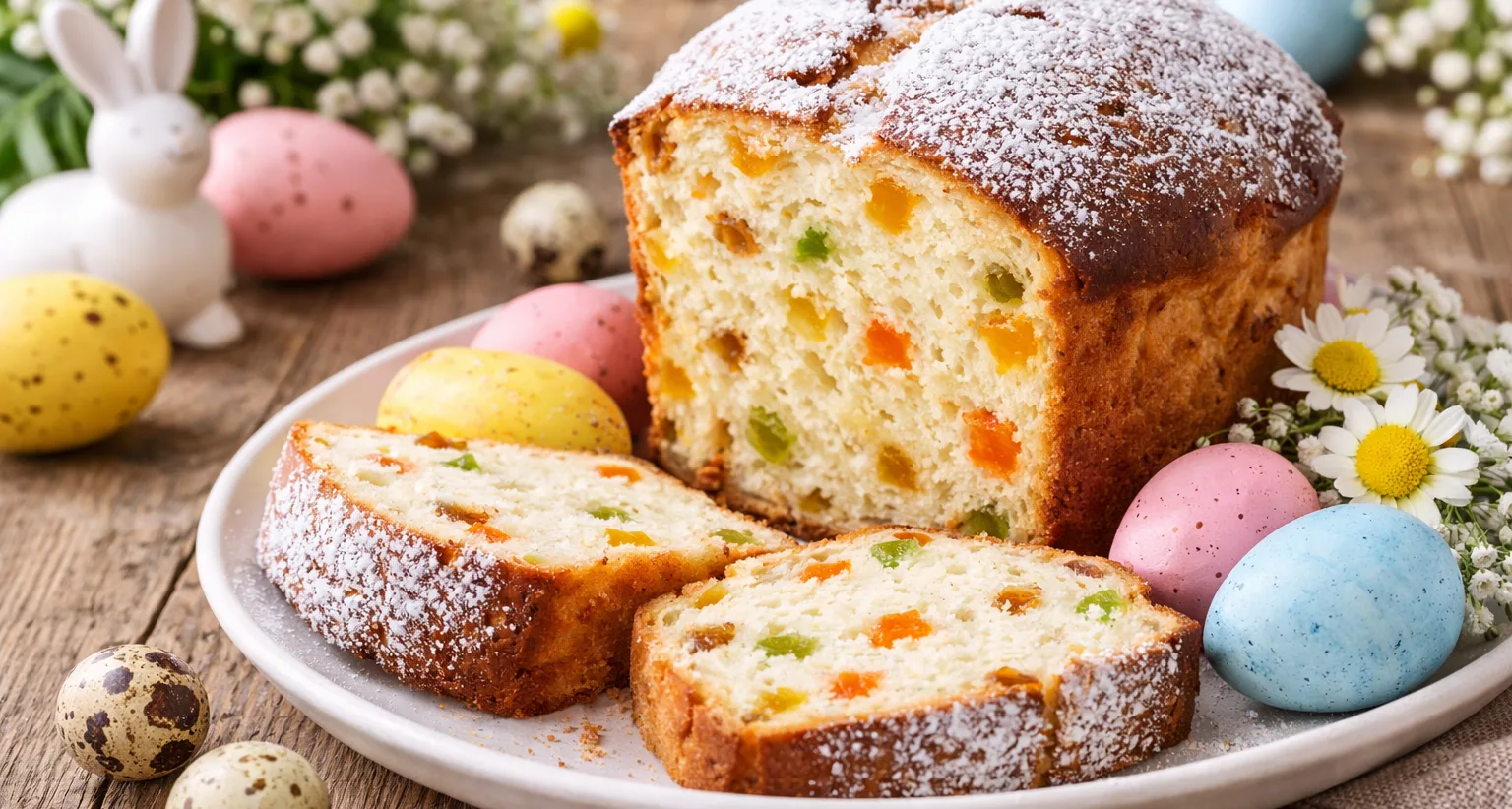
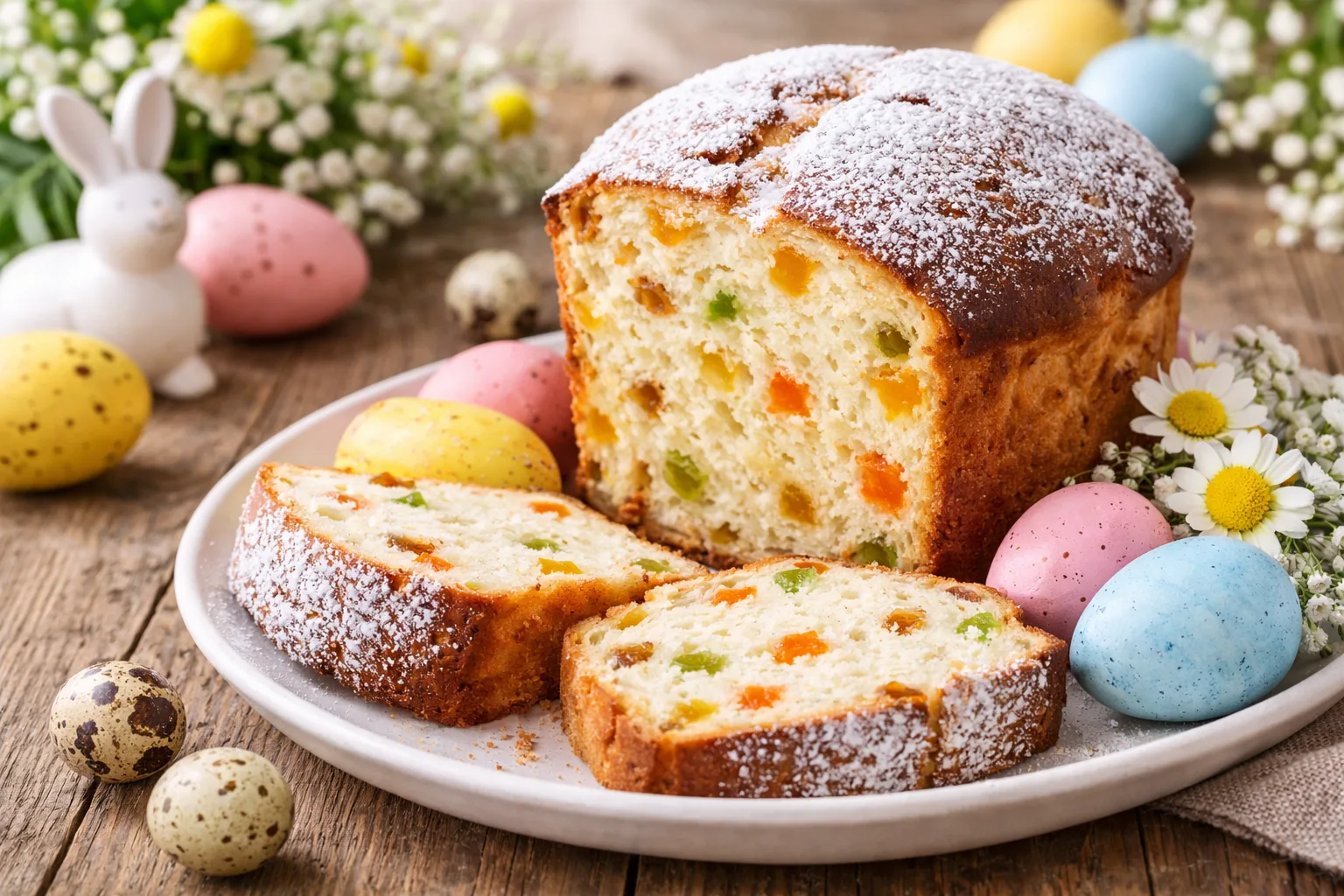

No-Yeast Kefir Paska (Easy Ukrainian Easter Bread)
Ingredients
Instructions
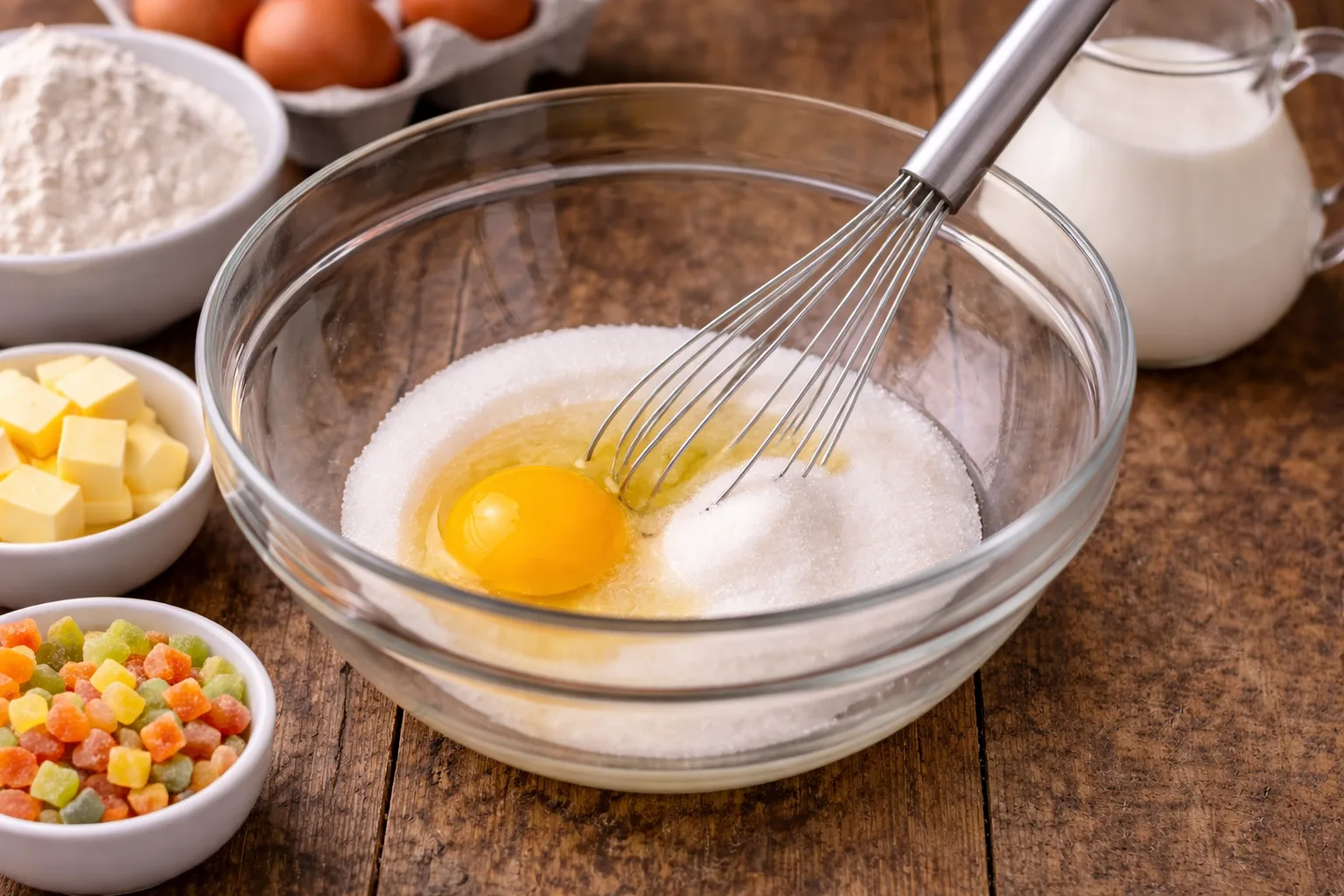
In a large bowl, combine the egg and sugar. Beat until the mixture becomes light and fluffy.
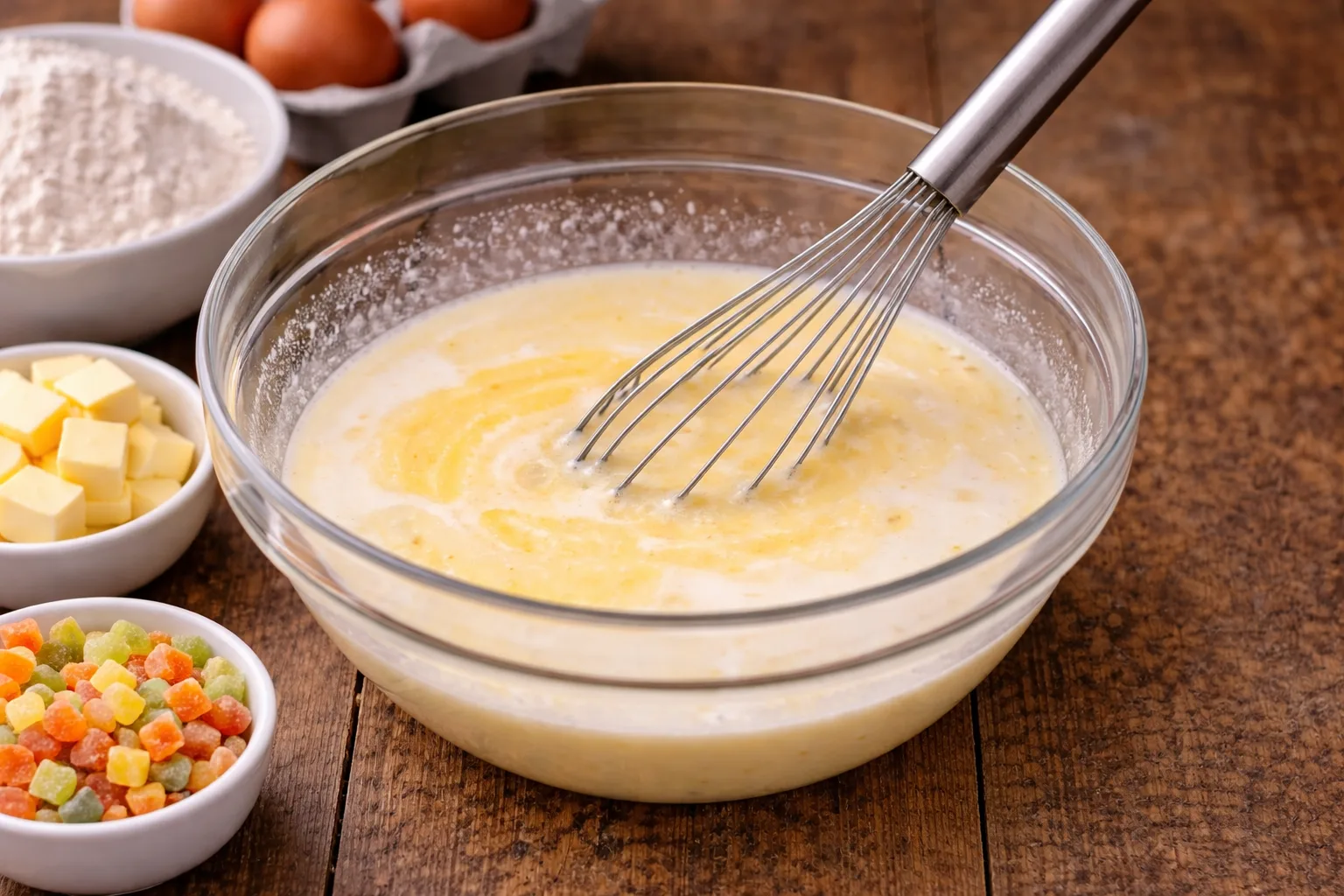
Add the kefir and melted butter. Mix until smooth and well combined.
Sift the flour together with the baking powder and salt. Gradually add to the wet mixture.
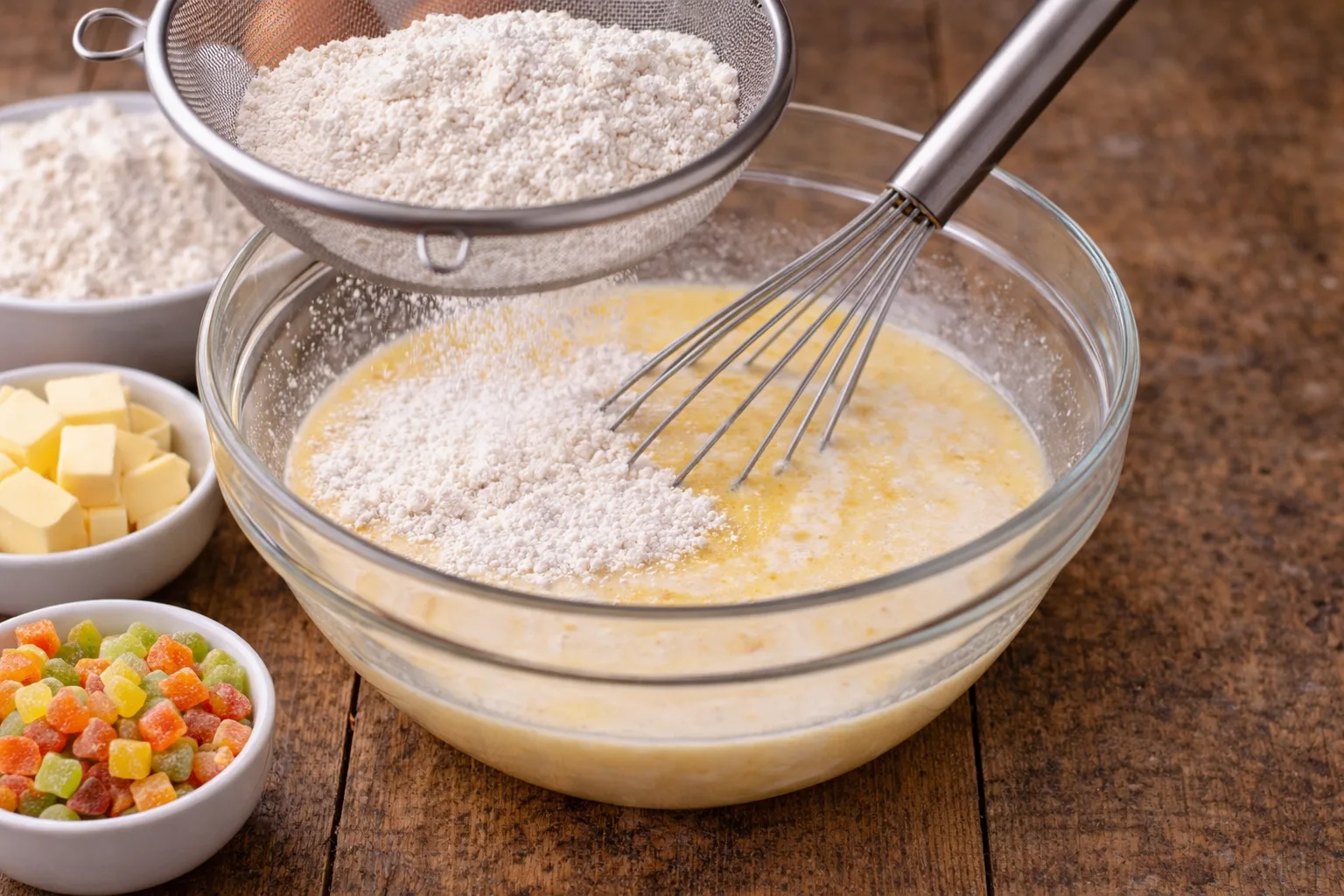
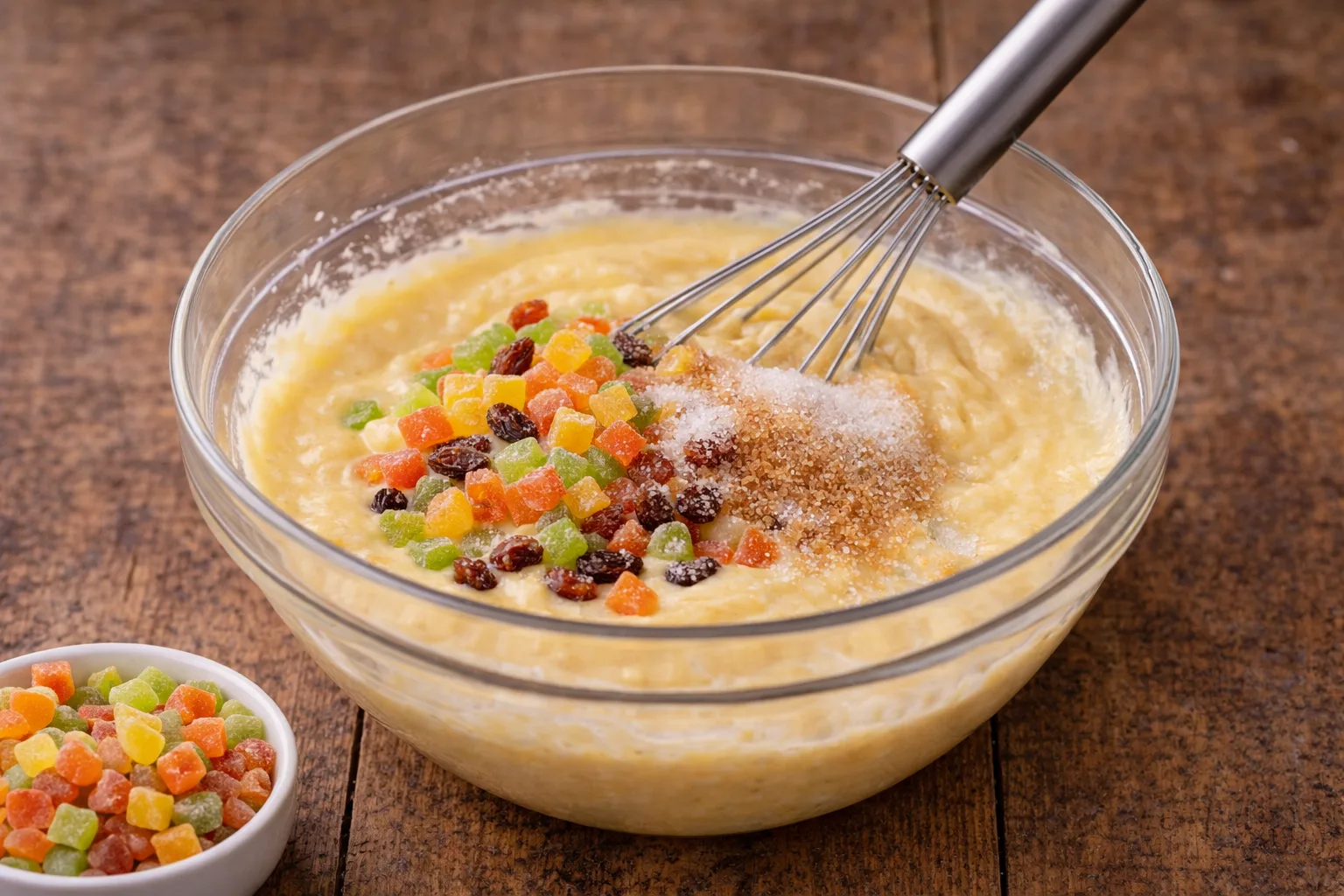
Add the vanilla sugar and raisins or candied fruit. Gently mix the batter.
Grease a baking mold with butter and transfer the batter into the pan.
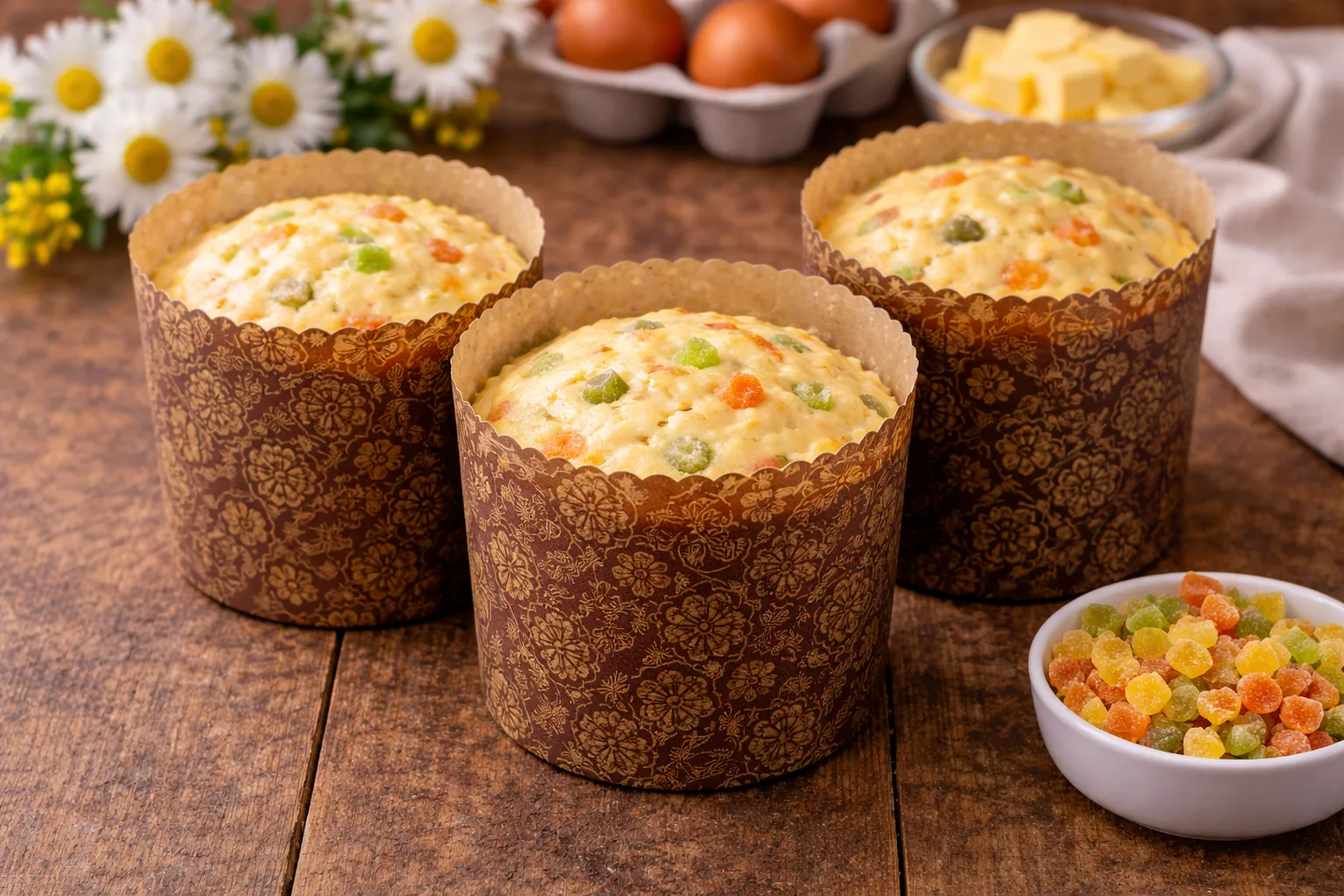
Bake in a preheated oven at 180°C (350°F) for about 35–40 minutes, until golden brown.
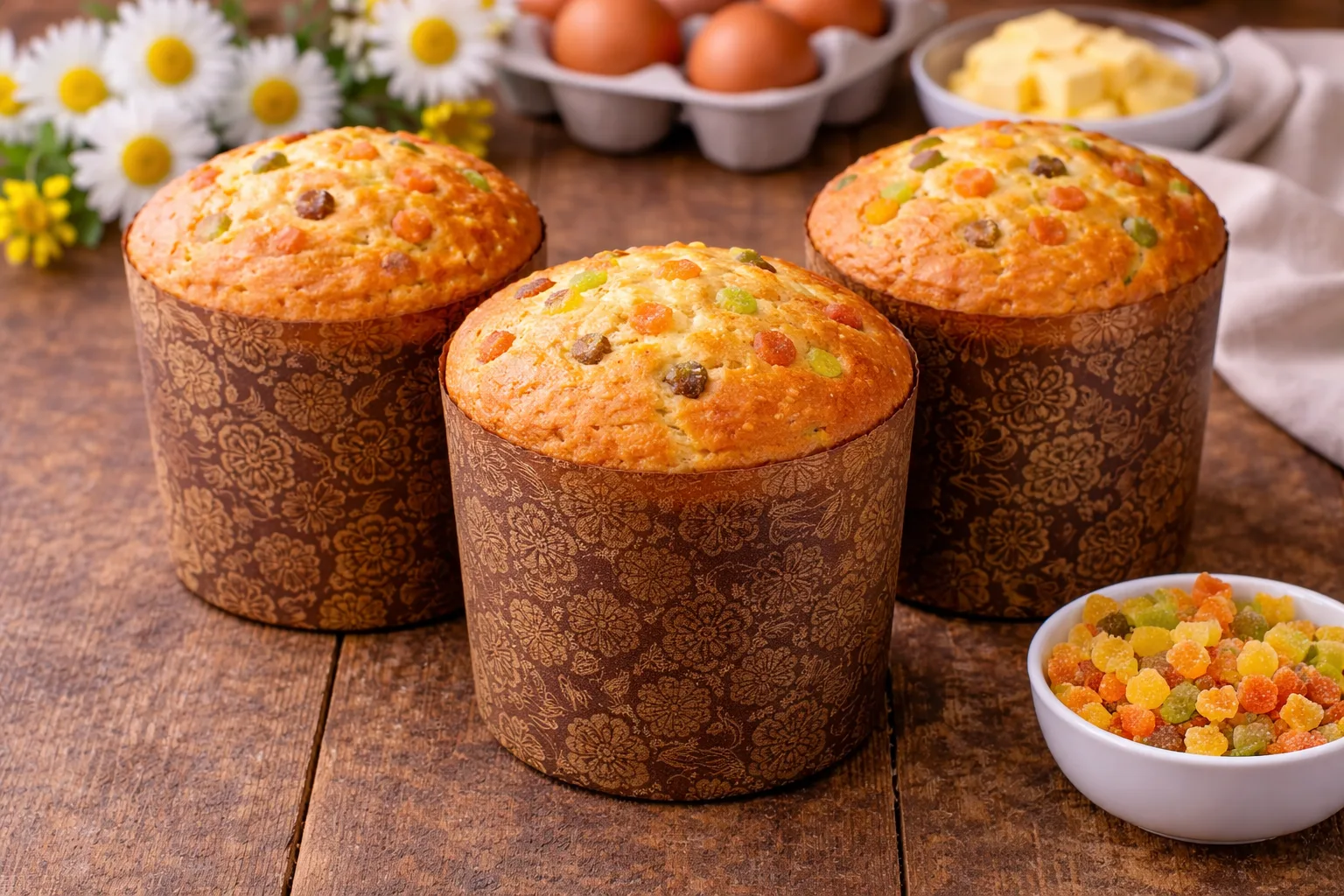
Let the paska cool before serving.
Note
If kefir is unavailable, you can substitute plain yogurt or buttermilk. If the paska browns too quickly, cover it with foil for the last 10–15 minutes to prevent burning and keep a golden color.
No-Yeast Kefir Paska — An Easy Recipe for a Quick Easter Treat
No-Yeast Kefir Paska is a true lifesaver for anyone who wants to bake homemade Easter bread without complicated steps. Traditional Ukrainian paska usually requires a lot of time, patience, and proper conditions for the dough to rise. However, modern lifestyles often demand simpler solutions, which is why no-yeast recipes are becoming increasingly popular.
One of the biggest advantages of kefir paska is its speed. There’s no need to wait for the dough to rise multiple times. Simply mix the ingredients, transfer the batter to a baking pan, and place it in the oven. This makes the recipe especially convenient for beginners or for anyone short on time before the holiday.
Kefir plays an important role in this recipe. It gives the bread a soft texture and gentle moisture, helping the paska stay tender and fresh for several days. Adding raisins or candied fruit enhances the festive flavor, while vanilla creates a warm, comforting aroma that fills the kitchen.
Another benefit of this recipe is its versatility. Kefir paska can be baked in large molds or made into small individual portions. This is perfect for family gatherings or for giving homemade treats as gifts. Mini paskas look especially attractive and add a festive touch to the Easter table.
You’ll also appreciate the simplicity of the ingredients. In most cases, everything you need is already in your kitchen. This makes the recipe affordable and accessible. Even without much baking experience, you can achieve a delicious result and surprise your family with homemade Easter bread.
No-Yeast Kefir Paska is a wonderful example of how traditional recipes can adapt to modern needs. It preserves the festive spirit and aroma of Easter while saving time and effort. That’s why this version is becoming a favorite among home bakers looking for reliable and simple results.
Часті питання
What is kefir paska?
Kefir paska is a quick version of traditional Ukrainian Easter bread made without yeast. It has a soft texture and slightly moist crumb thanks to kefir.
Why can kefir paska turn out dense?
The most common reasons include:
- too much flour
- batter that is too thick
- overmixing the dough
- using cold ingredients
For a light texture, the batter should be soft and slightly thicker than sour cream.
Can kefir paska be baked in paper molds?
Yes, paper molds work perfectly.
They hold their shape well and do not require greasing.
If using a metal pan:
- grease it with butter
- dust it with flour or semolina
What add-ins work best for kefir paska?
Popular options include:
- raisins
- candied fruit
- dried cranberries
- chopped nuts
- chocolate chips
You can combine several add-ins to create a richer flavor.
How long can kefir paska be stored?
Homemade paska can be stored:
- at room temperature — up to 2 days
- in the refrigerator — up to 4 days
To prevent drying, wrap it in a towel or store it in a container.
Can kefir paska be frozen?
Yes, kefir paska freezes well.
To freeze:
- let the paska cool completely
- wrap it in plastic wrap
- place it in a freezer bag
It can be stored in the freezer for up to 1 month.
Can I make paska without raisins?
Yes, raisins are optional.
You can replace them with:
- nuts
- chocolate
- candied fruit
- dried berries
Or skip them entirely — the paska will still taste delicious.
What temperature should kefir paska be baked at?
The optimal baking temperature is:
👉 180°C (350°F)
If your oven runs hot, reduce the temperature to 170°C (340°F) to ensure even baking.
Why does paska collapse after baking?
Possible reasons include:
- opening the oven too early
- too much liquid in the batter
- underbaking
To avoid this, do not open the oven during the first 25–30 minutes.
Is this recipe suitable for beginners?
Yes, this is one of the easiest paska recipes.
It is perfect for:
- beginners
- first-time bakers
- anyone without experience working with yeast dough
That’s why kefir paska is often called a "quick paska for everyone."
Can kefir be replaced with another product?
Yes, kefir can be replaced with:
- plain yogurt
- sour milk
- ryazhenka (fermented baked milk)
The most important thing is to use a fermented dairy product. The acidity helps the baking powder work properly and keeps the paska soft.