

Meat Recipes
 7+
recipes
 From 20 min
cooking time
 Updated 42 minutes
ago
Popular recipes
 Easy
 2
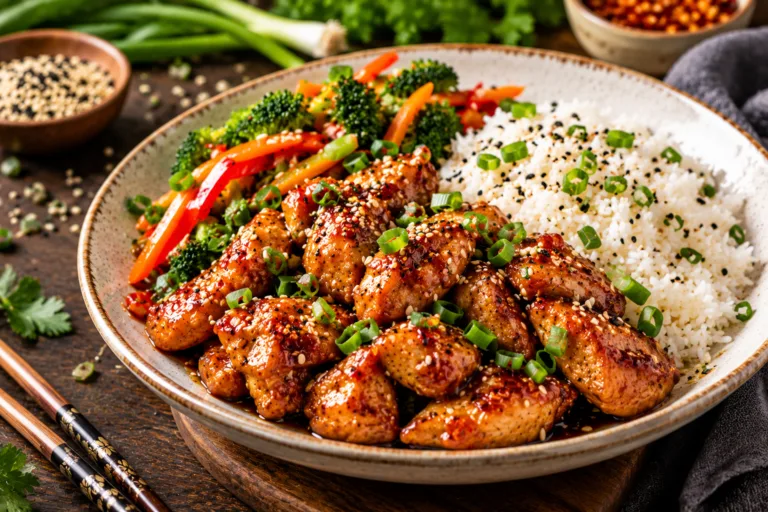
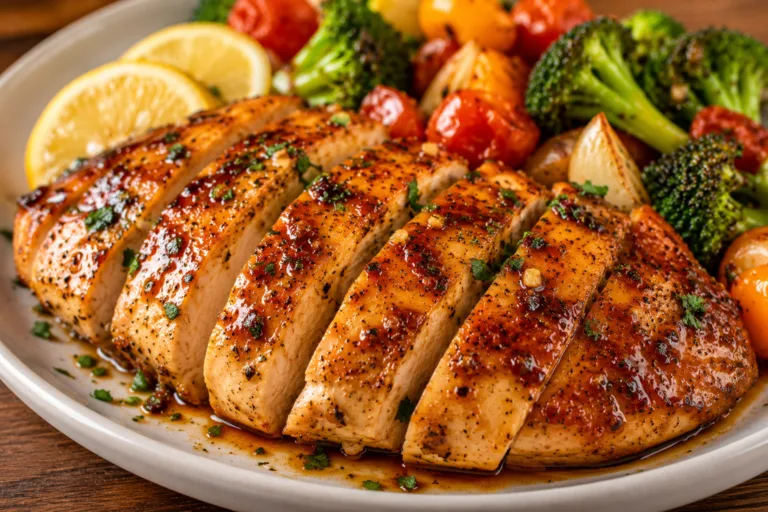
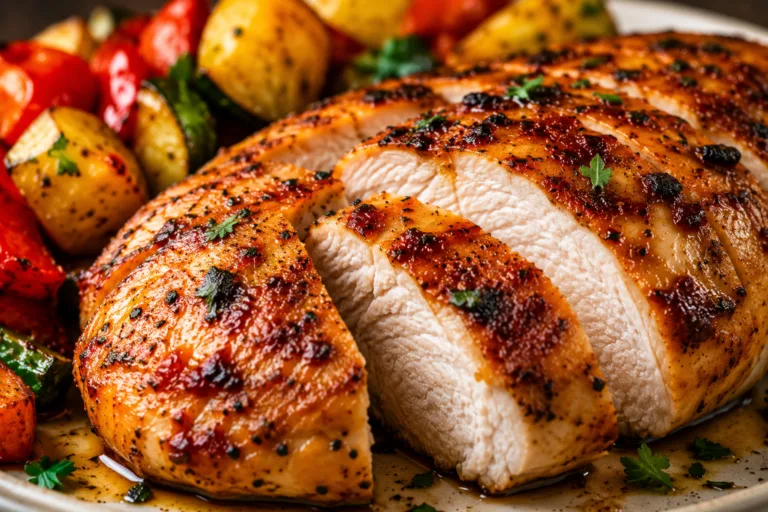
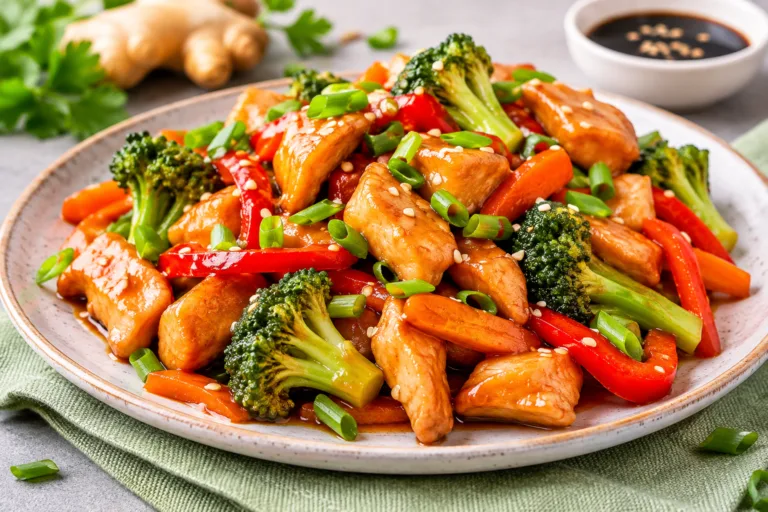
New Recipes
Useful Articles
Discover helpful cooking tips, simple techniques, and delicious ideas to make every meal even better.
01
10 Comfort Food Recipes That Instantly Boost Your Mood
Looking for easy budget meals that don’t require complicated ingredients? These 10 simple comfort food recipes are affordable, family-friendly, and perfect

02
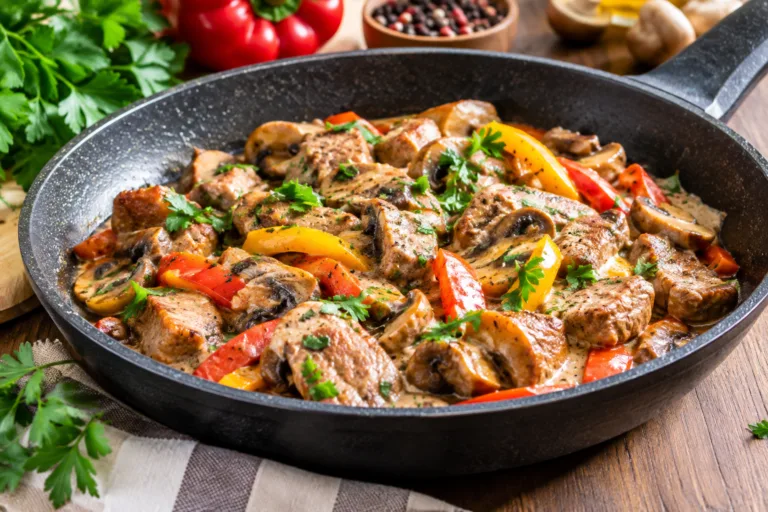
12 Easy Skillet Meat Recipes for Quick Dinners
Looking for easy skillet meat recipes? Try 12 quick dinner ideas with juicy chicken, pork and beef, flavorful sauces, vegetables and simple ingredients.
03
5 Spring Salads to Refresh Your Table and Boost Your Energy
Spring is the season of fresh flavors and vibrant colors. Boost your energy and fill your meals with vitamins with these 5 easy-to-make salads featuring crisp

04
7 Easy Skillet Chicken Dinners Ready in 30 Minutes
Discover 7 quick and delicious skillet chicken recipes ready in 15–30 minutes — simple, family-friendly dinners that everyone will love!

05
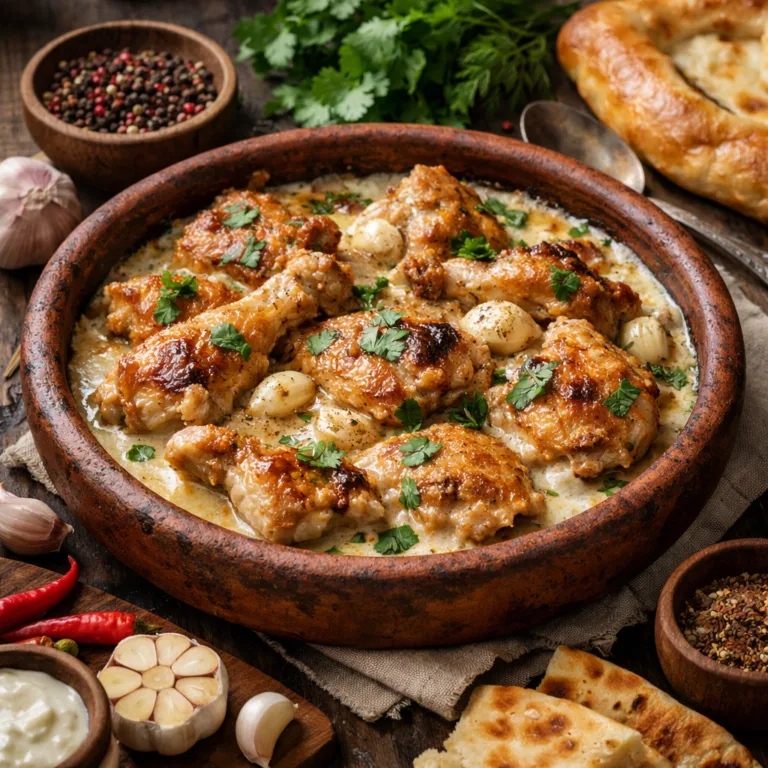
Chkmeruli Secrets & Tips: How to Cook Perfect Georgian Chicken
Want to cook chkmeruli like in a Georgian restaurant? Discover the secrets and tips for perfect flavor.
Frequently Asked Questions
To tenderize meat quickly, slice it against the grain, gently pound it, or use a quick marinade. Buttermilk-based marinades, mustard, or oil mixed with spices work especially well for pork and chicken. Tougher cuts of beef should not be rushed over high heat — they are better suited to slow cooking or braising.
The best time to salt meat depends on the cooking method. Large cuts can be salted in advance, allowing the seasoning to penetrate more evenly. For small pieces that cook quickly in a skillet, salt can be added just before or during cooking. The key is to avoid over-salting both the marinade and the sauce.
The most common reasons are choosing the wrong cut of meat or cooking it for too long. Tender cuts are best cooked quickly, while tougher cuts with more connective tissue benefit from slow braising or roasting at a moderate temperature. Also, avoid slicing cooked meat immediately after removing it from the oven — let it rest for a few minutes first.
For most cooked meat dishes, it is best to slice the meat against the grain. This shortens the muscle fibers, making each piece easier to chew. It is particularly important when preparing beef and larger cuts served in individual slices.
Cuts with plenty of connective tissue are ideal for braising because they become tender during slow cooking. For beef, chuck and brisket are excellent choices, while pork shoulder works particularly well for pork dishes. There is no need to use tenderloin for long braising recipes.
Before cooking, pat the meat dry with paper towels so it sears instead of steaming in its own moisture. Make sure the skillet is properly heated and avoid overcrowding it. Once a golden-brown crust forms, reduce the heat if necessary and cook until the meat reaches the appropriate internal temperature.
Tender cuts with little connective tissue are best suited to pan-searing or quick roasting. Cuts with a firmer texture and more connective tissue are better for braising or slow roasting. If you are unsure how to prepare a particular cut, look for recipes specifically designed for that type of meat.
Don't throw it away just yet. If the cut is suitable for braising, slice it into smaller pieces and let it simmer gently in a sauce or a little broth until more tender. However, repeatedly cooking naturally tender cuts for a long time may make their texture even drier.