
Cobb salad
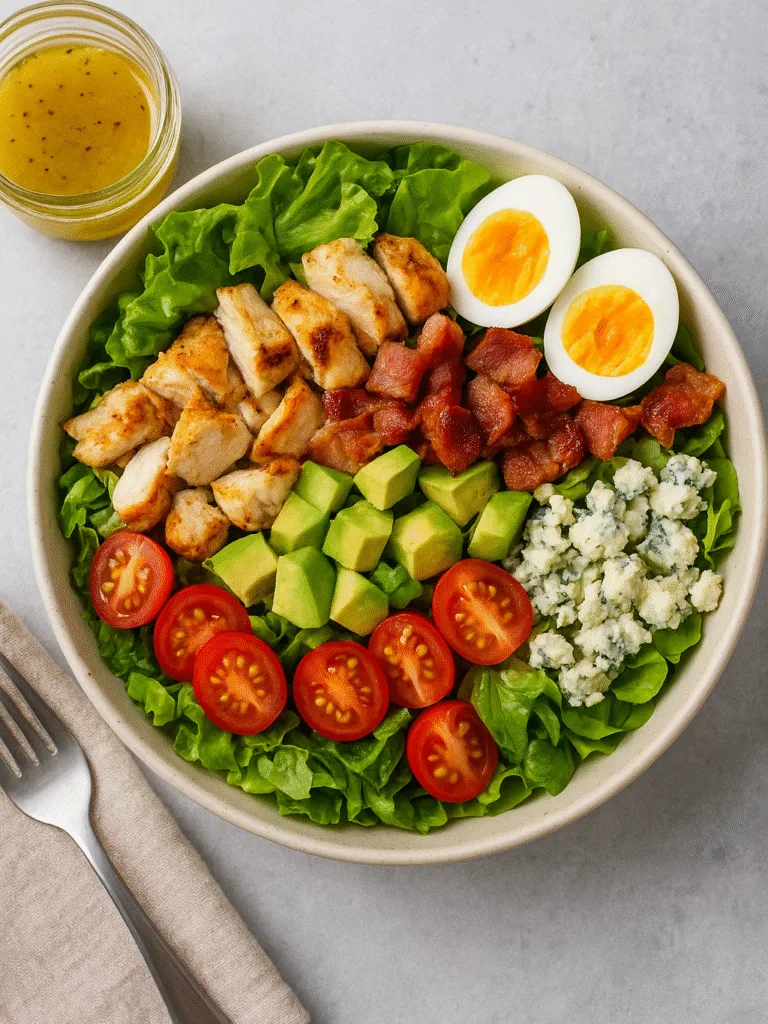
A classic American Cobb Salad made with crisp lettuce, juicy chicken, crispy bacon, creamy avocado, tomatoes, egg, and flavorful cheese. Bright, hearty, and perfectly balanced, this salad combines fresh vegetables with protein-rich ingredients for a satisfying meal. Topped with a simple vinaigrette, it’s ideal for lunch, dinner, or a beautiful entertaining dish.
Ingredients
Для заправки:
Instructions
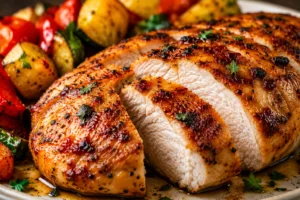
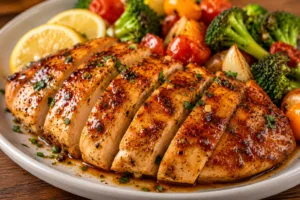
Season the chicken with salt and pepper, then pan-fry or bake for 10–12 minutes until golden brown. Slice into strips.
Salt and pepper the chicken, then pan-fry or bake for 10–12 minutes until golden. Slice into strips.
Hard-boil the eggs (8–9 minutes), cool, peel, and cut into wedges.
Peel the avocado and cut into cubes or slices.
Cut the cherry tomatoes in half.
Wash and dry the lettuce leaves, then place them at the bottom of the plate.
Arrange on top in strips or sections: chicken, bacon, eggs, avocado, tomatoes, and cheese.
Mix the dressing (olive oil + lemon juice + mustard + honey + spices) and drizzle over the salad before serving.
The Story of Cobb Salad
Origins of a Classic
This legendary American dish was created in the 1930s at the Brown Derby restaurant in Hollywood, California. The story goes that Robert Cobb, the restaurant owner, improvised a salad late at night from the ingredients he had on hand: crisp lettuce, tomatoes, boiled eggs, avocado, chicken, bacon, and blue cheese. The combination was so delicious that it quickly became a signature dish, spreading across the United States and eventually the world.
Ingredients and Balance
What makes this classic salad special is the perfect balance of flavors and textures. Crisp romaine or iceberg lettuce forms the base, providing freshness and crunch. Juicy chicken adds protein, while crispy bacon brings a smoky, savory note. Avocado gives a creamy texture, and boiled eggs add richness. Blue cheese or other cheeses contribute a salty, tangy flavor. The ingredients are typically arranged in neat rows or sections, creating a colorful mosaic that is as appealing to the eyes as it is to the taste buds.
Evolution and Variations
Over time, the dish has evolved. While the original used specific ingredients, modern versions include variations such as turkey instead of chicken, shrimp, or even vegetarian options. Homemade dressings, from classic vinaigrettes to creamy Caesar-style sauces, enhance the flavors. Some chefs add nuts, roasted vegetables, or additional greens. Despite the variations, the core idea remains: a hearty, fresh, and visually appealing salad that combines protein, vegetables, and flavor in every bite.
Popularity Today
Today, this American classic is more than just a meal; it represents creativity and balance in cuisine. It’s served in homes, restaurants, and casual gatherings, offering a quick yet satisfying option. Its versatility makes it perfect for lunch, dinner, or entertaining guests. Beyond taste, it’s a visual experience: the colorful layers of ingredients make it inviting and appetizing.
Why It Endures
This dish endures because it combines freshness, nutrition, and indulgence. Each bite tells a story of innovation, practicality, and culinary artistry. From its Hollywood beginnings to modern kitchens worldwide, it remains a symbol of classic American flavor, elegance, and convenience—a salad that satisfies both the palate and the eyes.
Часті запитання